A Public Meeting or a Written Comment? Two Ways to Speak Up
A public meeting or written comment each suits a different kind of civic input. Compare preparation, clarity, timing and audience to choose your route.

The common mistake is treating a public meeting and a written comment as interchangeable ways to deliver the same message. That can cost a resident the chance to explain a concern in the form that suits it: a spoken contribution can make a point easier to hear and respond to, while a written one can preserve precise details for later review.
What is the difference between speaking at a public meeting and submitting a written comment?
A public meeting gives residents a live, time-limited chance to address officials, board members or other attendees. A written comment sends a message through an accepted channel, such as an online form, email address or paper submission, for officials to consider as part of the decision process.
The difference is not simply spoken versus typed. At a meeting, people can hear the point in a shared setting, and officials may be able to ask for clarification. In writing, the contributor controls the wording and can explain a complicated issue without the pressure of speaking before a room.
Both forms can be useful, but neither automatically carries more weight. The relevant meeting rules, submission instructions and decision-making process determine how contributions are received and recorded.
When is a spoken contribution the better choice?
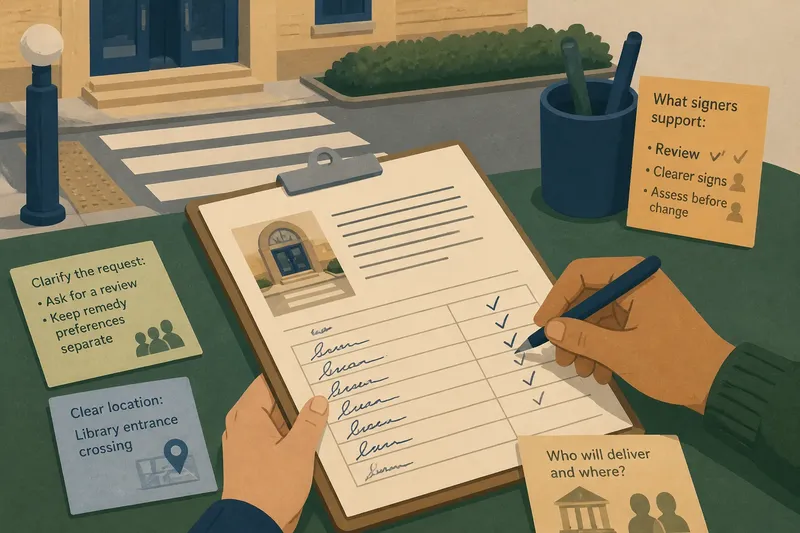
Speaking can suit a point that benefits from direct human context or a brief exchange. For example, a resident may want to explain how a proposed change affects the way people use a particular crossing, then make clear what question they want the board to consider.
A live contribution can also help when a meeting includes a specific public-comment period and the speaker wants to address the decision-makers in the room. The audience may include neighbors who share the concern, which can make it easier to recognize a common issue rather than hear it as an isolated complaint.
But a meeting has constraints. A speaker may have a short allotted turn, may feel nervous, or may need to adjust to a fast-moving agenda. Spoken remarks can be less precise if the speaker tries to cover too many details at once. A clear central point matters more than delivering a polished speech.
When does a written comment work better?
Writing is often a better fit when the point depends on exact wording, a sequence of events or several related details. A resident can describe the location of a concern, distinguish what they observed from what they infer, and state a specific request without rushing through the explanation.
A written comment also gives the sender a chance to revise. They can remove a distracting detail, check a street name, and make sure the request is visible near the beginning. If the issue is complex, a concise written explanation may be easier for a staff member or board to refer to later than a spoken account remembered from a meeting.
Writing has limits, too. It does not create the same immediate exchange, and a message sent through the wrong channel may not reach the people handling the decision. Follow the stated submission method and deadline, and keep a copy of what you sent.
How should I prepare a short spoken contribution?
Prepare one main point, one supporting detail and one request. That structure helps a listener understand both the concern and what response the speaker is seeking.
- Check the agenda to identify the relevant item and public-comment rules.
- Write the main point in a sentence you can say naturally.
- Choose a concrete detail, such as a location or time of day, that clarifies the issue.
- State the request directly, such as asking the board to consider a particular question.
- Practice aloud and trim background that does not help explain the point.
Imagine a resident concerned about confusing signs near a neighborhood park. They note the particular entrance, explain that visitors may miss the posted route, and ask the city team to review the sign placement. The expected observable result is that listeners can identify the location and request without needing a long backstory.
How can I make a written comment clear?
Put the decision or issue in the opening lines, then organize the explanation around relevant details. Separate what you saw from what you believe it means, and make the requested action easy to find.
Use a subject line that names the agenda item when sending email, or select the closest matching category on a public form. Avoid attaching unnecessary material. If a document or image is essential, identify what it shows in the message rather than assuming the reader will infer its purpose.
Before submitting, check names, locations and the form’s instructions. Keep the tone focused on the public issue. A specific description is generally easier to act on than a broad accusation, because it gives the reader something concrete to assess.
Can I speak and submit a written comment?
Often, residents can use both, but they should check the meeting and submission rules first. The two contributions work best when they complement each other rather than repeat the same long statement.
A spoken contribution can introduce the central concern and request. A written comment can preserve supporting details, relevant questions or wording that would be difficult to deliver clearly in a short turn. If the rules allow both, say briefly that a written submission provides additional detail so the two forms are easy to connect.
Do not assume that speaking automatically files a written record, or that sending a message secures a place on the meeting agenda. Each channel may have its own process.
What should I check before choosing a way to comment?
How do I find the public-comment rules?
Look at the meeting agenda, the board or department’s official page, and any instructions attached to the relevant item. These sources may explain sign-up, speaking limits, accepted formats and deadlines.
Does a written comment become part of the public record?
That depends on the local process and the type of submission. Read the notice or submission form to understand how comments are handled, and avoid including private information that is not needed to make your point.
What if I cannot attend the meeting?
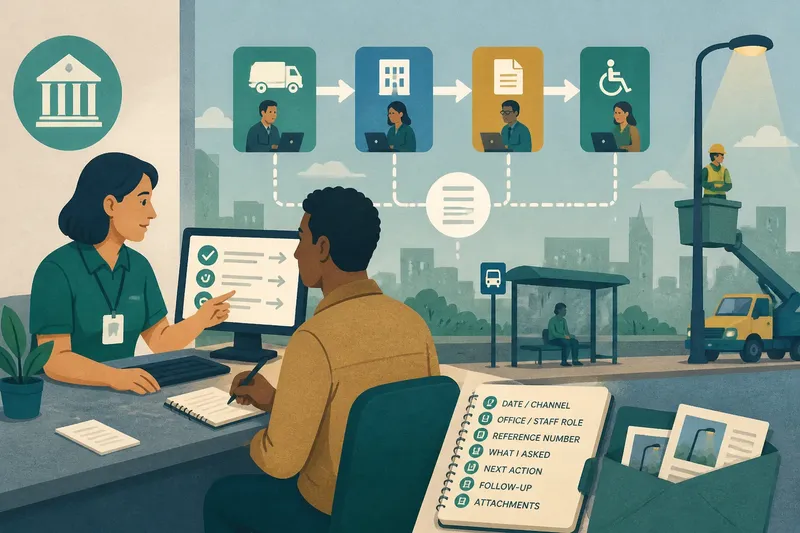
Check whether the city accepts written comments, remote participation or another form of public input for that decision. If a channel is available, submit through the stated process rather than assuming an email to a general address will be routed correctly.
What if I am unsure which channel fits?
Ask the clerk or staff contact named on the agenda how comments are accepted and recorded. For advice about public meetings, written comments are distinct tools: choose the one that lets you make your point clearly within the rules.
How do I choose the right way to speak up?
Choose a meeting when direct address, shared listening or a brief live explanation serves your purpose. Choose writing when accuracy, detail or time to revise matters more. If both channels are available and the issue needs both presence and precision, consider using them for separate parts of the same contribution.
For a public meeting or written comment, the practical test is whether the intended reader or listener can identify the issue, understand the detail that supports it and see what you are asking them to consider. Check the process, then make the message fit the channel. That small choice helps keep civic input clear without requiring residents to speak or write in a style that feels unnatural.